If you were diagnosed with scoliosis as a teenager but didn’t pursue treatment, you’re not alone. Many adults with scoliosis were told their curve was mild or that they could “just monitor it,” only to find years later that the curve has progressed and is now causing pain or functional limitations.
While some scoliosis curves remain stable after skeletal maturity, others continue to worsen over time, particularly curves that were already moderate to large during adolescence. The symptoms you’re experiencing now are often signs that your untreated curve has progressed beyond what your body can comfortably compensate for.
The good news is that adult scoliosis can be managed. Treatment ranges from conservative management to sophisticated surgical techniques. The key is finding the right strategy for your specific situation, considering symptom severity, curve magnitude, overall health, and your personal activity goals.
Symptoms of Adult Scoliosis
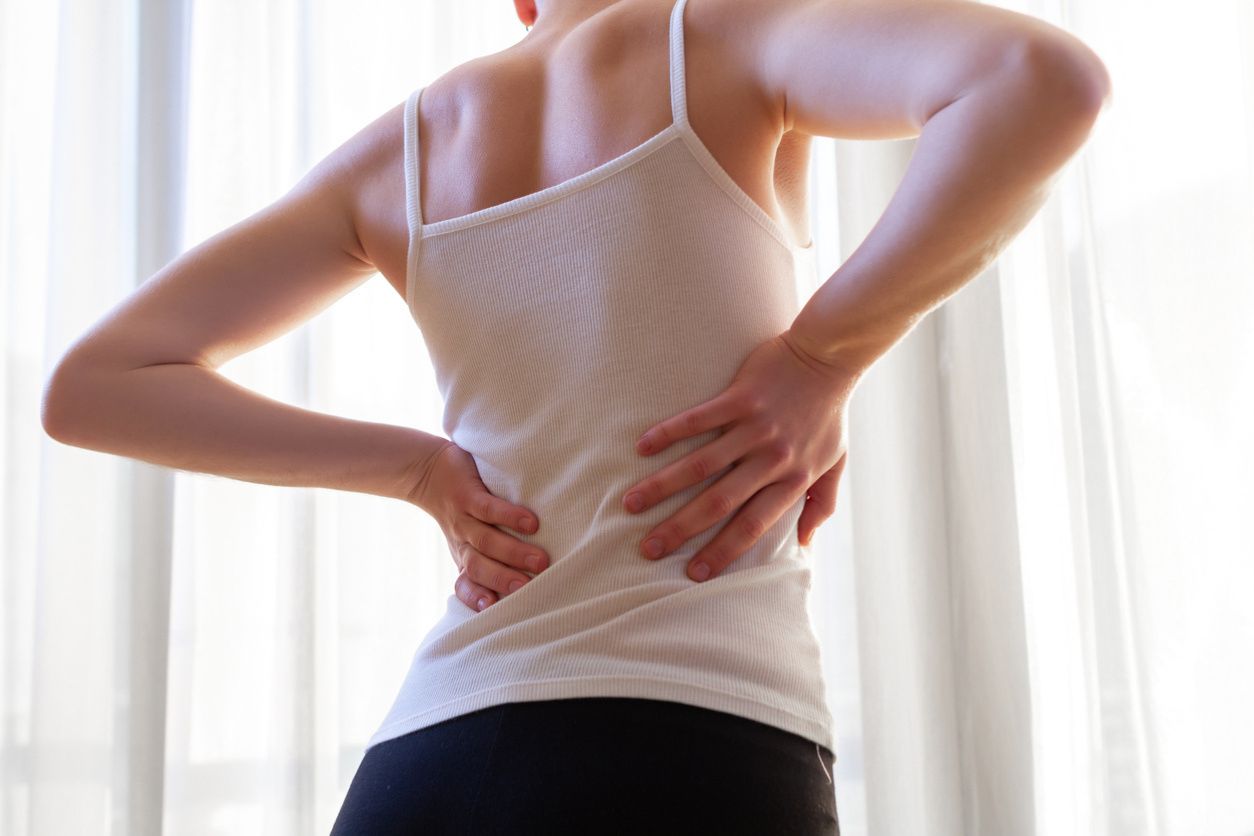
Unlike adolescent scoliosis, which may not cause pain initially, adult scoliosis often presents with symptoms that interfere with daily activities. These may include:
- Back pain
- Leg pain or numbness
- Difficulty standing upright
- Reduced walking tolerance
- Postural changes that affect balance and appearance.
Conservative Treatment Options for Adult Scoliosis
For many adults with scoliosis, particularly those with mild to moderate curves and manageable symptoms, non-surgical approaches provide effective relief.
Physical Therapy and Exercise
A structured program tailored for scoliosis can make a significant difference. Core strengthening exercises help stabilize the spine by building supporting muscles. Flexibility work addresses imbalances and tightness. Low-impact aerobic exercise like walking, swimming, or cycling maintains cardiovascular health and helps control pain through natural endorphin release.
Pain Management
A multimodal approach often works best, including anti-inflammatory medications, heat and ice therapy, and in some cases, massage or acupuncture. For patients experiencing nerve-related leg pain, epidural steroid injections can provide significant temporary relief by delivering anti-inflammatory medication directly to compressed nerves.
Lifestyle Modifications
Learning which movements aggravate symptoms allows for strategic adjustments. Using proper lifting techniques, taking regular breaks, and pacing activities throughout the day can reduce symptom flare-ups. Maintaining a healthy weight reduces stress on an already compromised spine.
Some patients achieve excellent long-term symptom control with conservative approaches, while others find that symptoms eventually progress beyond what these measures can adequately manage.
When Surgery for Adult Scoliosis Becomes Appropriate
Surgery is considered when conservative treatments fail to provide adequate relief or when the condition significantly impairs quality of life. Common indications include severe persistent pain unresponsive to treatment, progressive neurological symptoms, significant walking limitations, progressive spinal imbalance, or loss of bowel or bladder control.
The decision to pursue surgery is highly personal and should be made collaboratively with your spine specialist after thorough discussion of risks, benefits, and expected outcomes.
Surgical Options
Modern surgical techniques offer multiple approaches, often combined to address specific problems. The goal is to relieve pain, restore alignment and balance, stabilize the spine, and improve function.
Decompression Procedures: When nerve compression causes symptoms, decompression surgery creates more space for nerves, relieving pressure and associated leg pain, numbness, or weakness.
Laminectomy: This procedure removes part or all of the lamina (the back portion of the vertebra) to create more space for the spinal cord and nerve roots. This is particularly effective for patients with spinal stenosis accompanying their scoliosis. Laminectomy can be performed alone or combined with stabilization procedures.
Discectomy: When a herniated or degenerated disc contributes to nerve compression or pain, discectomy involves removing the problematic disc material. In adult scoliosis patients, disc problems often coexist with the curvature, and addressing both issues may be necessary for optimal outcomes.
Spinal Fusion and Deformity Correction: When instability, significant curvature, or spinal imbalance is present, fusion surgery provides long-term stability and correction. This involves placing bone graft material between vertebrae to encourage them to grow together. Metal rods, screws, and sometimes hooks hold the spine in proper alignment while fusion occurs.
The extent of fusion depends on curve pattern, degree of deformity, areas of instability, and overall spinal balance. The goal is to achieve stable correction while preserving as much spinal mobility as possible.
Minimally Invasive Techniques: Depending on the specific pathology and patient anatomy, some procedures can be performed using minimally invasive approaches with smaller incisions, less tissue damage, reduced blood loss, and faster recovery. However, complex deformity corrections often require traditional open approaches for optimal visualization and correction.
Expert Adult Scoliosis Care in Tampa Bay
If you’re living with adult scoliosis and want to understand your full range of treatment options, specialized evaluation is the next step. Whether you’re seeking relief from pain, concerned about progression, or wondering if surgery might be appropriate, expert guidance helps you make informed decisions.
Scoliosis Care serves adults throughout the Tampa Bay region, including Tampa, St. Petersburg, Clearwater, Brandon, Wesley Chapel, and surrounding communities. The practice offers comprehensive evaluation and treatment for all types of adult spinal deformities, from conservative management through advanced surgical correction, including decompression, laminectomy, discectomy, and complex deformity correction.
Don’t let adult scoliosis limit your life or accept pain and functional limitations as inevitable. Effective treatment options exist that can help you maintain or restore the active, comfortable life you deserve.
Take control of your spinal health today. Contact us to schedule a consultation.