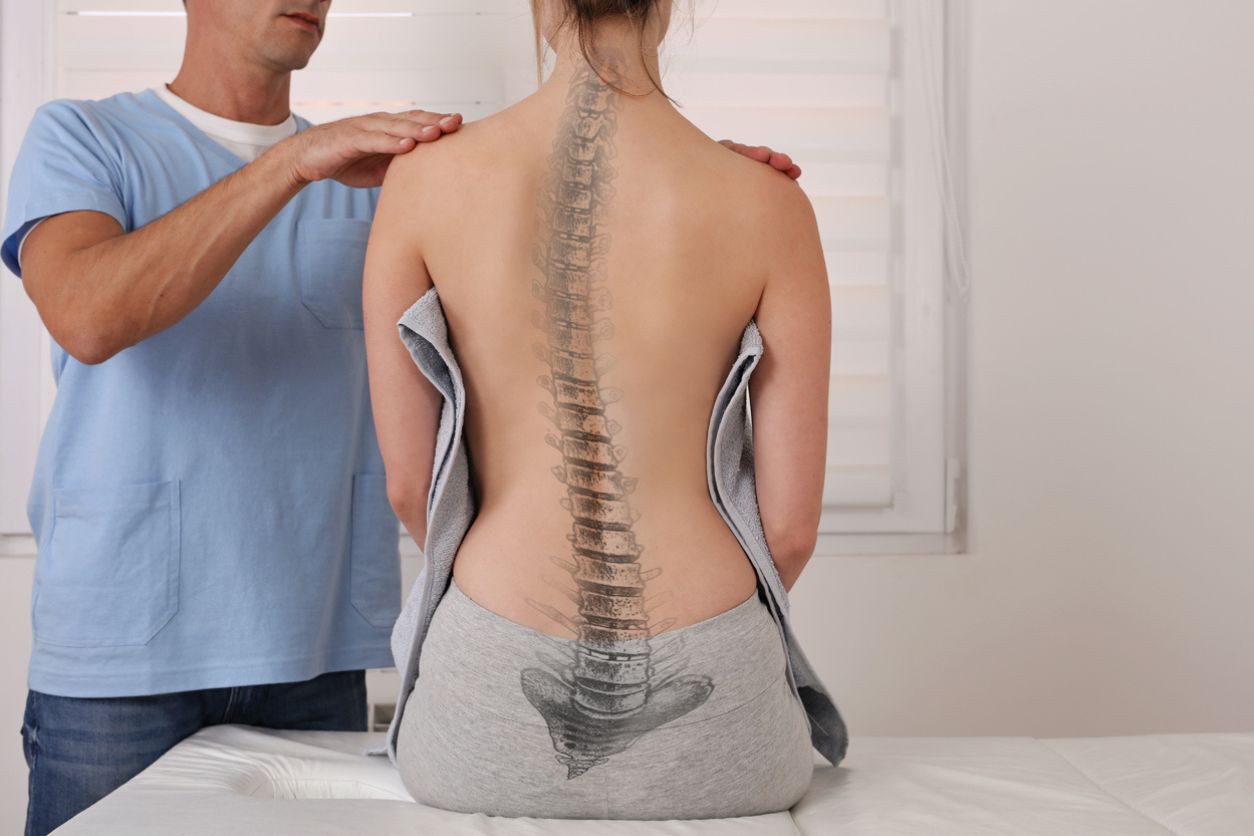
When a child or adult is told they have a curve in their spine, the next question is almost always the same. Where exactly is it, and what does that mean for treatment? Thoracolumbar scoliosis refers to a specific pattern of curvature that forms where the thoracic spine (upper and middle back) meets the lumbar spine (lower back).
This type of curve behaves a little differently than curves that stay entirely in the thoracic or lumbar regions. Because it affects two sections of the spine, thoracolumbar scoliosis can affect posture, balance, and comfort in ways worth understanding before you sit down with a specialist. Knowing what drives the condition and what treatment paths exist can help you ask better questions and feel more confident about the next step.
What Is Thoracolumbar Scoliosis?
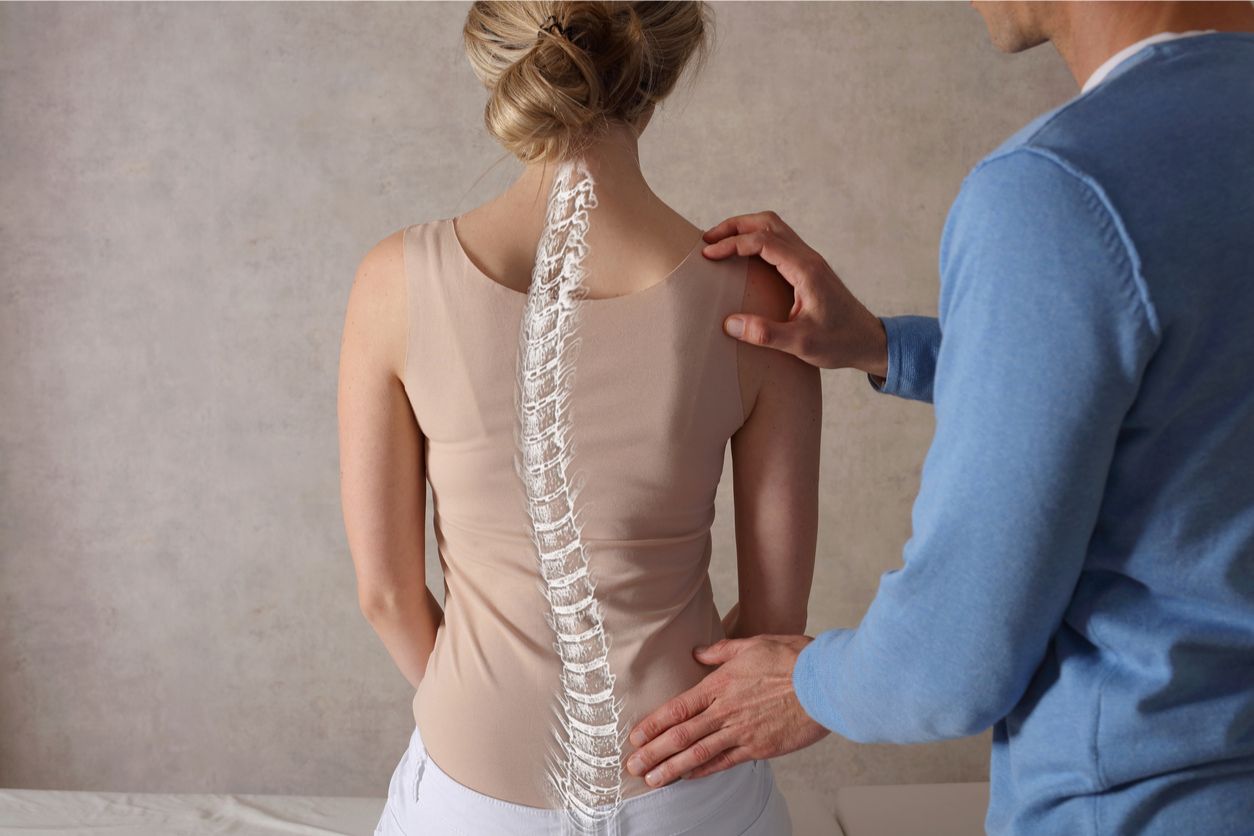
Thoracolumbar scoliosis is a sideways curve of the spine with its highest point, or apex, located at the junction where the thoracic and lumbar regions connect. Rather than affecting just one section of the back, this single curve spans across two, which is part of what sets it apart from purely thoracic or purely lumbar curves.
Understanding where this curve sits and how doctors measure it helps explain why treatment recommendations vary so widely from one patient to the next.
Where the Curve Develops
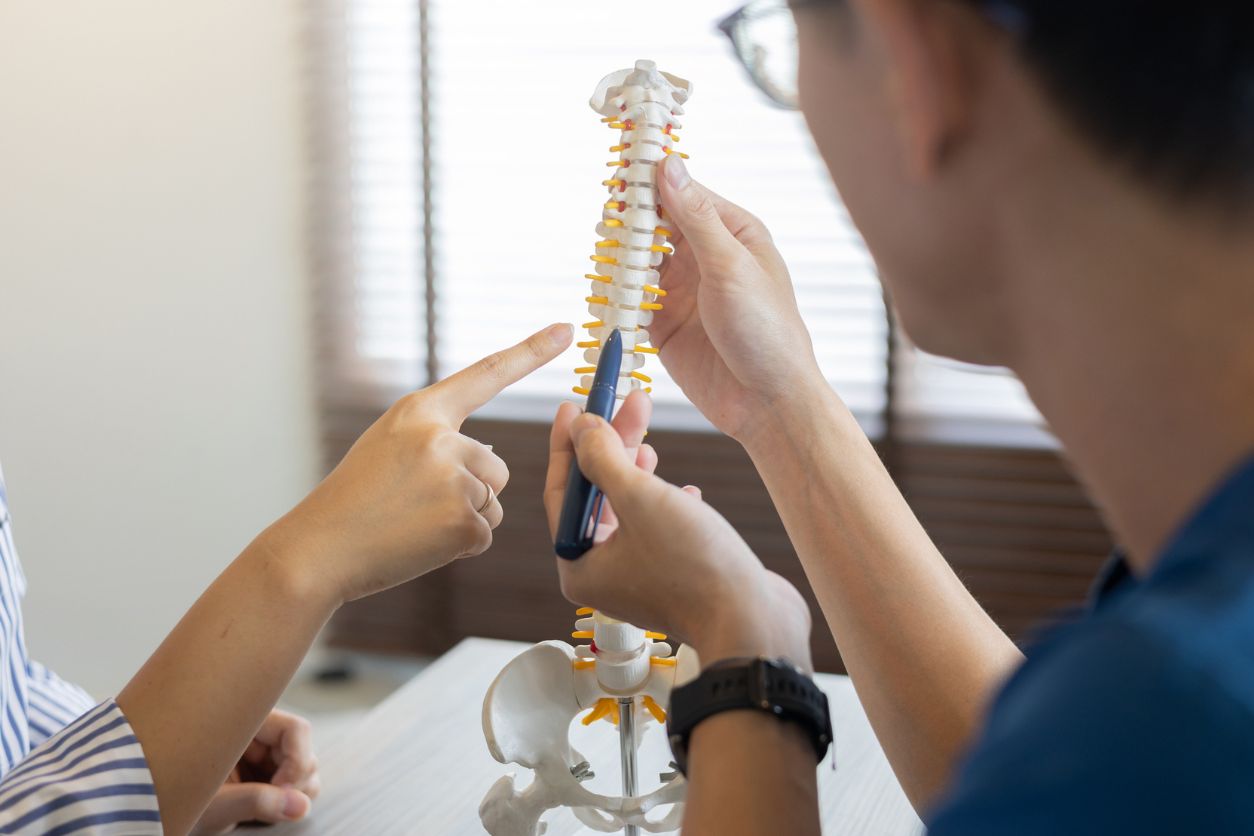
The spine is generally divided into three main regions: the cervical spine in the neck, the thoracic spine in the upper and middle back, and the lumbar spine in the lower back. A thoracolumbar curve forms at the junction between the thoracic and lumbar sections, which means the curve’s apex sits lower than a typical thoracic curve but higher than a typical lumbar one.
In many cases, this shows up as a single C-shaped curve. If a second curve develops elsewhere in the spine to help the body stay balanced, the overall shape can look more like an S.
How Doctors Measure and Classify the Curve
Spine specialists use X-rays to calculate the Cobb angle, which is the standard measurement for how far a curve deviates from a straight line. A curve greater than 10 degrees is generally classified as scoliosis. The size of the curve, combined with its exact location and the patient’s age and growth potential, helps guide whether the recommended approach is watchful waiting, bracing, or surgery.
What Causes Thoracolumbar Scoliosis?
Most cases of thoracolumbar scoliosis fall into the idiopathic category, meaning doctors cannot point to a single, clear cause. Still, researchers have identified several contributing factors and distinct categories that help explain why a curve develops where it does.
The causes generally fall into a handful of recognized groups, each with its own typical age of onset and pattern of progression.
Common Categories of Causes
- Idiopathic scoliosis: This is the most common type and has no single identifiable cause. The National Institute of Arthritis and Musculoskeletal and Skin Diseases notes that researchers believe a combination of genetic and developmental factors likely contributes, and that having a parent or sibling with scoliosis increases a person’s risk.
- Congenital scoliosis: This form develops when the bones of the spine do not form correctly while a baby is still developing in the womb, creating an uneven foundation for the spine to grow around.
- Neuromuscular scoliosis: Conditions that affect the nerves and muscles, such as cerebral palsy or muscular dystrophy, can make it difficult for the body to support the spine evenly, often leading to curves that progress more quickly than those in idiopathic scoliosis.
- Degenerative scoliosis: This type develops in adulthood as discs and joints wear down over time, sometimes creating a new curve at the thoracolumbar junction even in someone who never had scoliosis as a teenager.
- Traumatic or post-surgical scoliosis: Injury to the spine or complications from a previous spinal surgery can occasionally lead to a new curve forming in this region.
Genetic and Developmental Factors Under Study
Beyond these broad categories, ongoing research explores why some curves progress while others remain stable. For example, COMT and MTHFR gene variants have been studied for their potential role in the development of connective tissue and bone during growth, which may influence whether an idiopathic curve worsens over time. This research is still developing, and genetic testing is not yet a standard part of a scoliosis workup, but it suggests that idiopathic curves likely have identifiable biological roots that science simply hasn’t fully mapped yet.
Recognizing the Symptoms of Thoracolumbar Scoliosis
Because thoracolumbar scoliosis spans two regions of the spine, its symptoms can appear in the torso, lower back, and sometimes the legs. Symptoms also tend to look different in growing children compared to adults whose spines have already finished developing.
Spotting these signs early, whether in a child during a growth spurt or in an adult noticing new changes, makes a real difference in how many treatment options remain available.
Physical Signs to Watch For
In children and teens, thoracolumbar scoliosis often shows up as visible changes in posture and alignment before pain ever becomes part of the picture. Parents and caregivers should watch for:
- Uneven shoulders, with one sitting noticeably higher than the other
- A waistline that appears uneven or a hip that seems to sit higher on one side
- A visible curve or lean in the torso when the child stands or bends forward
- One shoulder blade that sticks out more than the other
- Clothes that hang unevenly, even when properly fitted
Symptoms That Tend to Appear Later
Adults with thoracolumbar scoliosis, including those whose curve has been present since adolescence, often experience a different symptom pattern. Because the curve sits at the junction of two spinal regions, it can place uneven stress on nearby discs and joints, which sometimes leads to back pain that worsens with degeneration over the years. Some adults also experience leg pain, numbness, or tingling if the curve narrows the spinal canal and compresses nearby nerves. Reduced walking tolerance, muscle fatigue on one side of the back, and a gradual loss of height can also develop as the curve progresses.
Treatment Options for Thoracolumbar Scoliosis
There is no single treatment plan that fits every patient with thoracolumbar scoliosis. The right approach depends on the size of the curve, the patient’s age and remaining growth potential, how quickly the curve is progressing, and how much it affects daily life.
Most treatment plans fall into one of three broad categories, and many patients move between them as their spines change over time.
Conservative Management
For smaller curves, especially in children who still have significant growth ahead of them, observation is often the first step. This involves regular checkups and X-rays to track whether the curve is staying stable or progressing. When a curve falls in the moderate range, typically between 25 and 40 degrees, a brace can help prevent further progression during the remaining growth years. Physical therapy focused on core strengthening and postural awareness can also support the spine and ease discomfort, particularly in adults managing degenerative changes alongside their curve.
Surgical Correction
When a curve continues to progress despite bracing, exceeds the threshold typically associated with long-term complications, or causes significant pain and nerve symptoms, surgery becomes a more serious consideration. Spinal fusion is the most common surgical approach, using rods, screws, and bone graft material to stabilize the spine and prevent the curve from worsening further. In adults, surgery may also need to address related issues like spinal stenosis or disc degeneration that have developed alongside the scoliosis itself. The decision to move forward with surgery is always made collaboratively, weighing the expected benefits against the recovery process involved.
Living With Thoracolumbar Scoliosis
A diagnosis of thoracolumbar scoliosis does not mean life has to revolve around the curve. Many children grow up to participate fully in sports, school activities, and everyday life with consistent monitoring and the right support along the way. Adults managing this condition can often find significant relief through a combination of physical therapy, lifestyle adjustments, and, when needed, surgical correction.
The most important factor in a good outcome is catching changes early and working with a specialist who understands how this specific curve pattern behaves differently from other types of scoliosis.
What to Do Next
If you or your child has been diagnosed with thoracolumbar scoliosis, or you’ve noticed signs like uneven shoulders, a visible curve, or new back pain, a thorough evaluation is the right starting point. Located in Tampa, Florida, Scoliosis Care serves patients throughout the Tampa Bay region, including Tampa, St. Petersburg, Clearwater, Brandon, Wesley Chapel, and surrounding communities. Dr. Siambanes provides comprehensive evaluation and treatment for all types and locations of scoliosis in both children and adults. Contact us to schedule a consultation and find out which treatment path makes the most sense for your spine.