
Hearing the word “idiopathic” attached to your child’s scoliosis diagnosis can feel unsettling. It sounds clinical and a little mysterious, and in a way, it is. Idiopathic simply means doctors have not identified a single clear cause, even after ruling out birth defects, muscle disorders, and other known conditions.
This diagnosis is far more common than most parents realize. Idiopathic scoliosis accounts for the vast majority of scoliosis cases, and it typically shows up during periods of rapid growth. Understanding what the condition actually involves, why it develops, and what treatment looks like can turn a confusing diagnosis into a manageable plan.
Understanding Idiopathic Scoliosis
Idiopathic scoliosis is a sideways curvature of the spine that develops without a known cause. Doctors diagnose it only after ruling out other explanations, such as congenital spine malformations or neuromuscular conditions like cerebral palsy or muscular dystrophy. When those causes are excluded, the remaining diagnosis is idiopathic.
How the Spine Curves
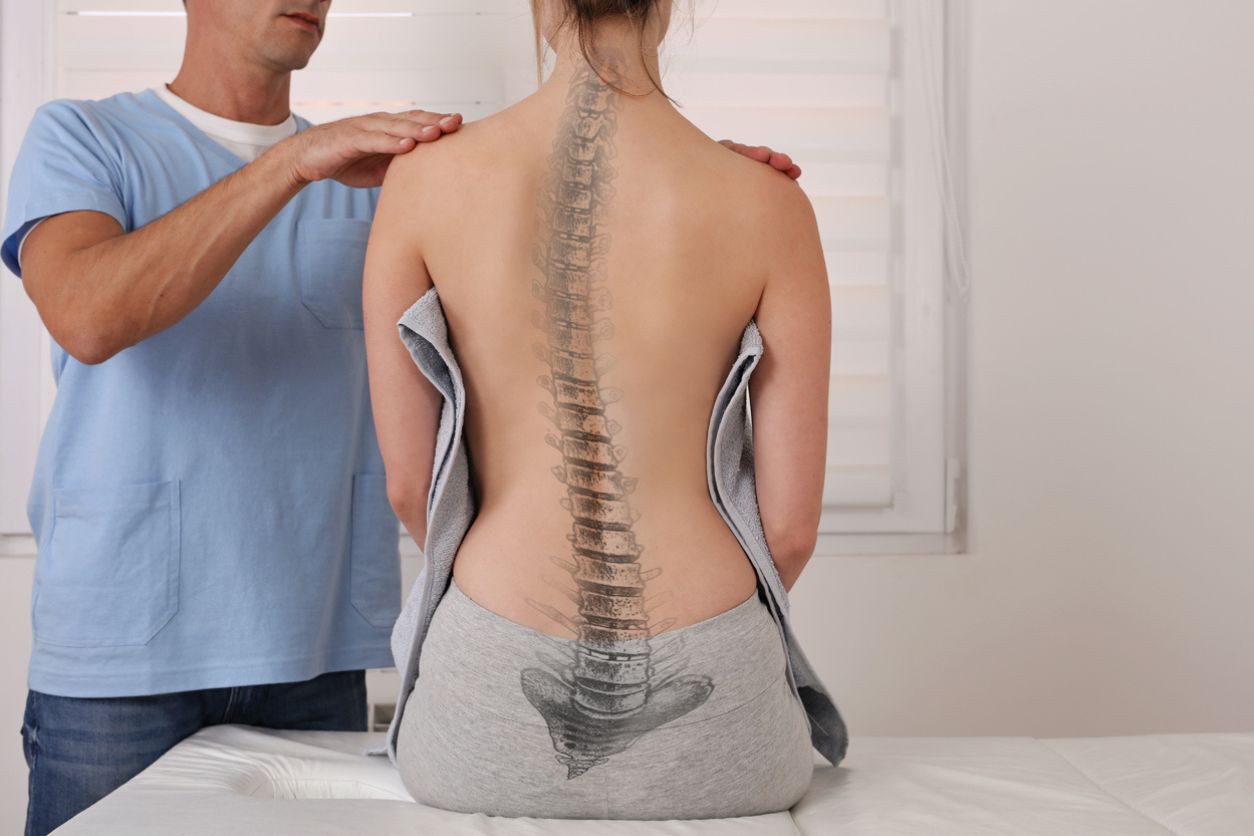
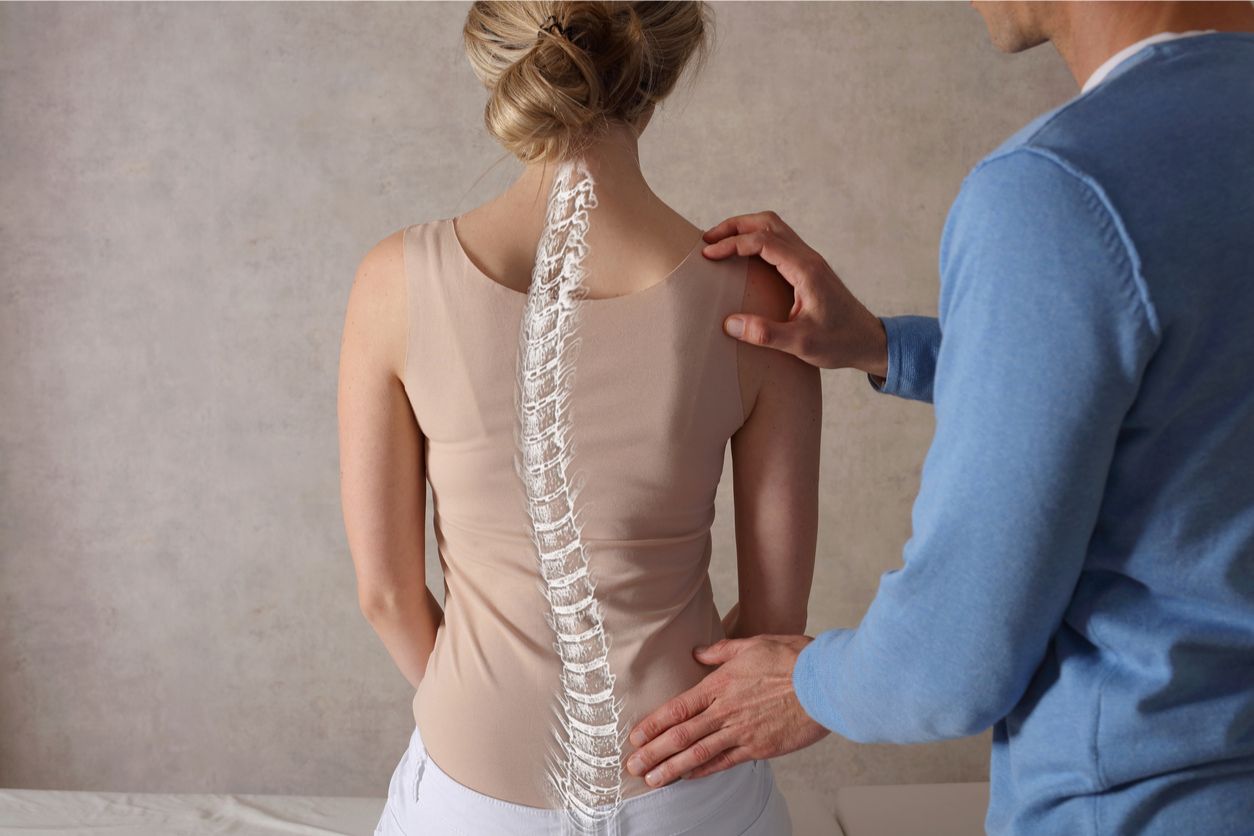
A healthy spine looks straight when viewed from the back, with natural front-to-back curves that support posture and movement. Idiopathic scoliosis introduces a side-to-side curve, often shaped like a “C” or an “S.” The vertebrae may also rotate slightly, which can create a visible rib hump or uneven waistline when a person bends forward.
Why the Cause Remains Unknown
Researchers have studied idiopathic scoliosis for decades without pinpointing a single trigger. A combination of several factors likely contributes to the condition rather than one clear culprit. Genetics, growth patterns, and even subtle differences in bone and connective tissue development are all being examined as possible contributors.
Because no single test can confirm the cause, doctors rely on physical exams and imaging to identify the curve itself rather than searching for an underlying trigger.
Types of Idiopathic Scoliosis
Idiopathic scoliosis is classified by the age at which it appears. Age matters because it affects how quickly a curve is likely to progress and how closely a child needs to be monitored.
Classification by Age of Onset
Doctors group idiopathic scoliosis into three main categories based on when the curve first develops:
- Infantile idiopathic scoliosis appears in children younger than 3 years old and is the least common type.
- Juvenile idiopathic scoliosis develops between ages 4 and 10, during a slower stretch of childhood growth.
- Adolescent idiopathic scoliosis begins between ages 10 and 18 and represents the large majority of cases, often coinciding with the adolescent growth spurt.
Why Adolescent Cases Are Most Common
Adolescent idiopathic scoliosis tends to appear right as puberty accelerates bone growth, which may explain why curves in this age group can progress quickly over a short window of time. This connection between rapid growth and curve progression is one reason regular monitoring matters so much during the teenage years. It also explains why routine screenings during annual physicals or school checkups often catch new cases before symptoms become obvious.
Recognizing the Signs of Idiopathic Scoliosis
Idiopathic scoliosis rarely announces itself with pain, especially in children and teenagers. Instead, it tends to show up through subtle physical changes that a parent, teacher, or pediatrician might notice before the child does.
Physical Signs to Watch For
Some of the most common indicators include:
- One shoulder sitting noticeably higher than the other.
- Uneven hips or a tilted waistline.
- A shoulder blade that protrudes more than the other, especially when bending forward.
- Clothes that hang unevenly or fit differently on one side of the body.
- A visible curve or rib hump when viewed from behind.
When Pain Enters the Picture
In adolescents, back pain is not considered a typical feature of idiopathic scoliosis, and persistent pain often signals something else that needs evaluation. Pain patterns shift considerably in adulthood, when years of spinal compensation can lead to more noticeable discomfort. Parents who notice ongoing pain alongside a suspected curve should treat it as a reason to seek prompt evaluation rather than something to watch and wait on.
How Idiopathic Scoliosis Is Diagnosed
Getting an accurate diagnosis involves more than a quick glance at posture. Doctors combine a physical exam with imaging to measure the exact degree of the curve and rule out other causes.
The Physical Examination
During a physical exam, a doctor typically asks the patient to bend forward at the waist, a position that makes rotational changes in the spine easier to see. This is often paired with a scoliometer reading, a simple tool that measures the angle of trunk rotation and helps determine whether further imaging is needed.
Imaging and Curve Measurement
X-rays remain the standard way to confirm and measure a scoliotic curve. Doctors use the Cobb angle, a measurement taken from an X-ray, to determine how many degrees the spine deviates from straight. A curve of 10 degrees or more is generally required for a formal scoliosis diagnosis, and this number also guides decisions about bracing or surgery down the road.
Treatment Options for Idiopathic Scoliosis
Not every curve requires the same response. Treatment depends heavily on the size of the curve, the child’s remaining growth potential, and how quickly the curve has been changing.
Non-Surgical Approaches
For many patients, especially those with smaller curves, conservative treatment is enough to manage the condition effectively:
- Observation with regular checkups and X-rays tracks whether a mild curve is stable or progressing.
- Bracing supports moderate curves in children who still have significant growth remaining, often slowing or halting progression.
- Physical therapy builds core strength and improves posture, which can ease discomfort and support overall spinal function.
When Surgery Becomes Necessary
Surgical correction is generally reserved for curves that continue progressing despite bracing or curves that reach a severity threshold where conservative care is unlikely to help. Spinal fusion is the most common surgical approach, using rods and screws to stabilize the spine while bone grafts encourage the vertebrae to fuse into a corrected position. Because idiopathic scoliosis has no single underlying cause, surgery focuses on correcting the curve itself rather than treating a root trigger. The goal is always to halt progression, improve alignment, and protect long-term spinal health.
Living With Idiopathic Scoliosis
A scoliosis diagnosis is not a life sentence of pain or limitation. Most people with idiopathic scoliosis, especially those diagnosed and monitored early, go on to lead active, typical lives.
Managing the Condition Long Term
Consistent follow-up is the backbone of long-term management. Growing children need regular monitoring through their teenage years since curves can change quickly, while adults benefit from periodic evaluation to watch for degenerative changes that may develop later in life.
Supporting a Child Through Diagnosis
Kids often take cues from the adults around them. Approaching the diagnosis calmly, explaining what monitoring or bracing involves in age-appropriate terms, and keeping communication open with the care team all help a child feel supported rather than singled out. Connecting with other families managing the same condition can also make the process feel less isolating.
Next Steps for Your Family
If you have noticed uneven shoulders, a shifting waistline, or any of the physical signs described above, the next right step is a professional evaluation. Idiopathic scoliosis is highly manageable when it is caught early, and a proper diagnosis is the only way to know what kind of monitoring or treatment your child actually needs.
Located in Tampa, Florida, Scoliosis Care provides comprehensive evaluation and treatment for idiopathic scoliosis in children, teens, and adults throughout the Tampa Bay region, including St. Petersburg, Clearwater, Brandon, and Wesley Chapel. Contact us today to schedule a consultation with Dr. Siambanes and get clear answers about your child’s spine health.